
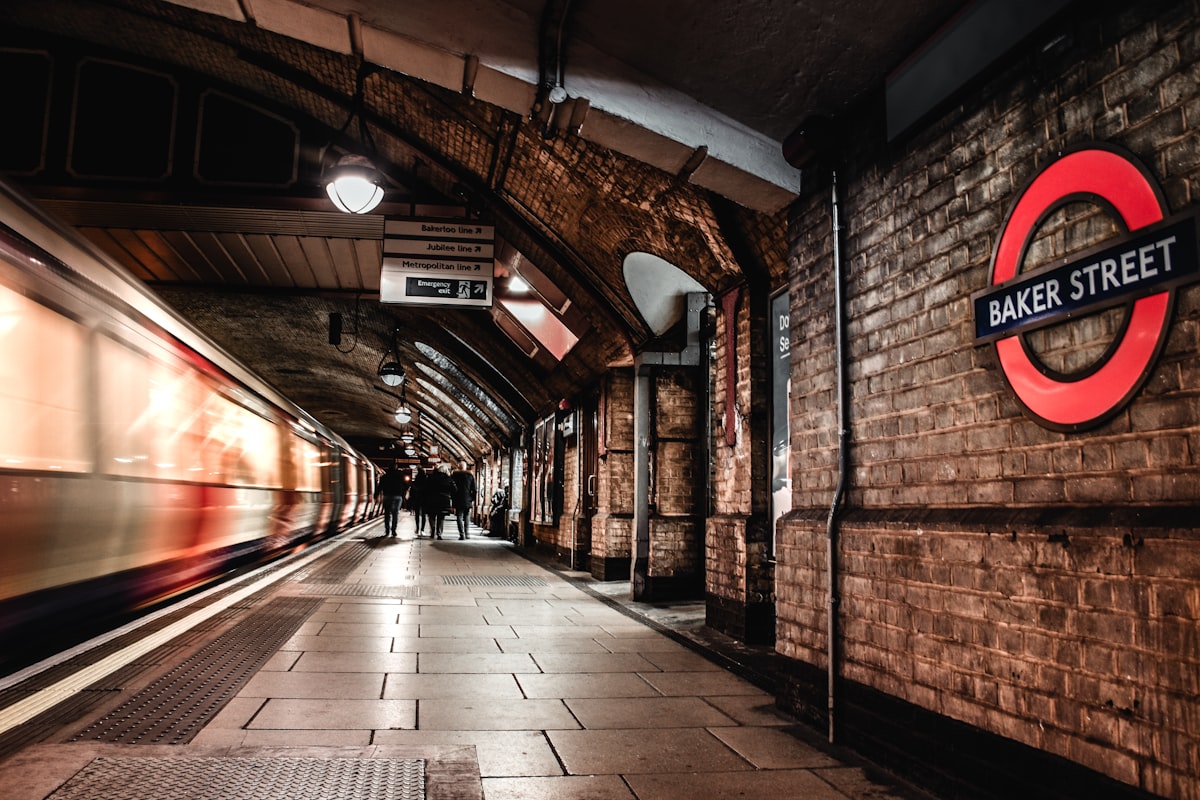
The tube strikes of April, May and June 2026 caught London hospitality off guard. Some venues lost half their Saturday night team when the Central line went down. Others watched Friday lunch service collapse as Northern line staff couldn't make it in from zones 4 and 5.
The strikes hit different lines on different days, but the pattern was clear: venues that planned ahead kept trading, while those that hoped for the best lost thousands in revenue. Transport disruption is part of London life, and your rota needs to account for it.
This guide covers how to build contingency rotas for tube strikes, communicate with staff early, and handle genuine transport problems fairly. The lessons apply to any major disruption, from snow to roadworks to special events.
Which Tube Lines Were Hit in 2026
The 2026 London tube strike dates followed a rolling pattern across three months. April saw the Piccadilly and District lines suspended for 48 hours, hitting venues in Covent Garden, Earl's Court and Richmond hardest. Staff from Heathrow and outer west London simply couldn't get in.
May's strikes targeted the Northern and Central lines. The Northern line shutdown meant no staff from Clapham, Tooting or Camden could reach central London venues. Central line strikes cut off staff from Stratford, Mile End and the entire eastern corridor. Friday and Saturday services bore the brunt.
June brought the worst disruption: a combined Elizabeth line and Jubilee line strike that lasted 72 hours over a bank holiday weekend. Canary Wharf, London Bridge and Westminster venues lost their main commuter routes. Staff from Kent, Essex and southeast London were effectively stranded.
The strikes weren't random. They targeted key interchange lines during peak service periods, maximising disruption. Union strategy focused on weekend services when hospitality demand peaks but alternative transport options shrink.
Bus replacement services ran, but they were overwhelmed. A 30-minute tube journey became a two-hour bus crawl through traffic. Staff who lived an hour away faced three-hour journeys each way. Many simply didn't attempt it.
Building Contingency Rotas for Transport Strikes
London hospitality staffing during tube strikes requires a different approach to your normal rota. You need to know where each team member lives, how they normally travel, and who can still get in when specific lines go down.
Start by mapping your staff's commutes. Create a simple spreadsheet with each person's home postcode and their usual route to work. Note which tube lines they depend on and whether they have realistic alternatives (walking distance, bus routes, cycling, car parking).
When strike dates are announced, cross-reference the affected lines with your staff map. Anyone who relies solely on a striking line becomes "unavailable" for planning purposes. Don't assume they'll find a way, they often won't or can't justify the cost and time.
Your contingency rota should run with skeleton staff who can definitely get in. This means local staff, those with cars, cyclists, and anyone within reasonable walking distance. A 60-cover restaurant that normally runs 8 staff on Saturday night might need to operate with 5.
Plan reduced menus and limited seating areas. A full dining room with half the kitchen staff is a recipe for disaster. Better to turn away walk-ins than serve poor food late. Consider closing certain sections or offering a limited menu that your available team can execute properly.
The Rose & Crown in Bermondsey typically runs Saturday nights with 2 chefs, 2 KP, 4 FOH and 2 bar staff. During the May 2026 Northern line strike, only the head chef (lives locally), 1 KP (cycles from Rotherhithe), 2 FOH (both walk from SE16) and 1 bartender (lives above the pub) could get in reliably. They closed the upstairs dining room, ran a simplified menu, and still turned £3,200 on the night. The three pubs nearby that hoped their full teams would "find a way" all had service meltdowns.
Early Communication Is Everything
RotaKeep's 48-hour push notifications proved crucial during the 2026 strikes. Venues that contacted staff immediately after strike announcements had time to reorganise. Those that waited until the day before were scrambling.
Send your first message as soon as strike dates are confirmed, typically 7-14 days ahead. Don't ask "can you still get in?" because many won't know. Instead, tell staff exactly which lines are affected and ask them to confirm their alternative transport options by a specific deadline.
Your message should include practical details: "Northern line suspended all day Friday 15th May. If this affects your normal route, please reply by Wednesday 13th with your alternative plan or let me know you can't make your shift. No penalties for genuine transport problems."
Follow up 48 hours before the strike with your final rota adjustments. This gives you time to call in favours, shuffle shifts, or arrange temporary accommodation for key staff. Some venues put up essential team members in nearby budget hotels rather than lose weekend service.
Use group messaging sparingly during actual strikes. Staff stuck at home don't want constant updates about how busy you are. Save communications for essential information like "we're closing early" or "additional shifts available tomorrow if you can get in."
Creating Named Strike Day Cover Plans
Rota contingency planning works best with predefined roles and responsibilities. Don't leave strike day organisation to chance or expect managers to improvise under pressure.
Designate a "Strike Coordinator" for each shift, usually your most experienced supervisor or assistant manager. Their job is executing the contingency plan, not creating it on the day. They need authority to make menu changes, reduce covers, and reassign duties without checking upwards.
Cross-train key staff across departments before strikes hit. Your best bartender might need to serve tables, or experienced FOH might help with simple food prep. This flexibility only works if people know the basics before they're thrown in during a crisis.
Prepare simplified procedures for everything. Normal service might require complex coordination between kitchen sections, but your strike day menu should be executable by whoever shows up. Write down the reduced procedures, don't rely on verbal briefings when you're already stressed.
Build in decision points throughout the day. At 2pm, if only half your dinner team has arrived, what's the call? At 4pm, if three more people message saying they're stuck, do you close the kitchen early or push through? Having these thresholds decided in advance prevents panic decisions.
Handling Lateness and Genuine Disruption Fairly
Transport strikes create genuine hardship for staff, but they also provide convenient excuses. You need clear policies that distinguish between real problems and opportunism, while staying fair to people facing difficult journeys.
Accept that some lateness is inevitable during transport disruption. A staff member who normally arrives in 25 minutes might need 90 minutes during strikes. Build this into your planning rather than penalising people for circumstances beyond their control.
Verify transport claims when they seem questionable. TfL provides real-time service updates and journey planners that show realistic travel times. If someone claims a three-hour journey that should take 90 minutes even with disruption, ask for specifics.
Set clear expectations about communication. Staff facing transport problems should message as early as possible with realistic arrival times. "Might be late" at 6pm for a 6pm shift isn't acceptable. "Central line down, trying bus route, expect 90 mins" at 4pm shows they're making an effort.
Consider transport allowances for staff who do make exceptional efforts. Someone who takes a £40 taxi because the tube is down, or stays in a hotel to guarantee availability, might deserve help with costs. This investment often pays back in loyalty and reliability.
Don't penalise attendance records for documented transport strikes, but do note who makes the effort and who doesn't. Staff who find ways to get in during disruption are showing commitment. Those who use every minor delay as an excuse are showing you something else entirely.
Rapid Rota Adjustment for Any Disruption
Transport strikes taught London hospitality a broader lesson: any major disruption needs a rapid response system. Snow, roadworks, festivals, sporting events, power cuts, they all require quick rota changes.
The key is having adjustment processes ready before you need them. When major disruption hits, you're dealing with customer complaints, supply issues, and stressed staff. That's not the time to work out how to reorganise your rota.
Build templates for common disruption scenarios. A "severe weather" rota that assumes some staff can't travel safely. A "local event" plan for when festivals or matches make certain areas inaccessible. A "power cut" procedure for when your venue can't operate normally but might reopen quickly.
Your [staff rota creation process](https://rotakeep.co.uk/blog/how-to-make-a-staff-rota) should include contingency thinking from the start. Note which shifts are critical and which are flexible. Identify which staff members live locally or have reliable transport alternatives. Plan menus that work with reduced teams.
Practice makes perfect. When minor disruptions happen, use them as training for major ones. A delayed train or road closure is a chance to test your communication systems and backup plans without high stakes.
Technology Solutions for Strike Communication
The 2026 strikes highlighted how crucial instant communication became when normal patterns broke down. Venues using modern scheduling software adapted faster than those relying on WhatsApp groups and phone calls.
Push notifications let you reach all staff simultaneously with updates, changes, and requests for confirmation. During the June strikes, venues sent real-time updates about service changes, additional shifts, and transport alternatives. Staff appreciated being kept informed rather than left wondering.
Automated reminders become more important during disruption. Staff dealing with complex journeys might forget shift times or miss schedule changes. System reminders cut through the confusion when everyone's routine is disrupted.
Real-time availability checking helps you identify cover quickly. When someone messages that they're stuck on a replacement bus, you need to know immediately who else might be available. Manual checking takes too long when service is already suffering.
Integration with your [no-show reduction strategies](https://rotakeep.co.uk/blog/reduce-no-shows-hospitality) becomes crucial during transport disruption. Normal absence patterns break down, and you need better data to distinguish genuine problems from opportunistic absences.
Learning from 2026 for Future Disruption
The venues that handled the 2026 strikes well shared common characteristics: they planned ahead, communicated clearly, and adapted quickly. Those that struggled waited for problems to solve themselves or hoped normal service could continue unchanged.
Regular scenario planning helps prepare for unknown disruptions. Every few months, ask your team: "What would we do if the District line was suspended next Saturday?" or "How would we handle three key staff being stuck in traffic?" These discussions identify weaknesses before they become crises.
Building relationships with local staff pays dividends during disruption. People who live within walking distance become invaluable when transport fails. Consider this when recruiting, especially for senior positions.
Documentation matters more than you think. When you're dealing with strike day chaos, having written procedures prevents crucial steps being missed. Your contingency plans should be detailed enough for someone else to execute.
Financial planning should account for disruption losses. The 2026 strikes cost some venues 20-30% of weekend revenue. Others, better prepared, lost only 10% and gained market share from competitors who closed entirely. The difference was preparation, not luck.
Common Questions
How Much Notice Do London Tube Strikes Give?
Tube strikes typically require 14 days' notice, but sometimes get called off or rescheduled. Plan as soon as dates are announced, but stay flexible until 48 hours before. Have contingency plans ready but don't finalise rotas until strike action is confirmed.
Should I Pay Staff Extra During Transport Strikes?
You're not legally required to pay transport supplements, but consider helping staff who make genuine efforts to get in. A contribution towards taxi fares or hotel costs for key team members can be worthwhile. This builds loyalty and ensures reliable cover during disruption.
Can I Discipline Staff Who Don't Come in During Strikes?
Transport strikes can constitute circumstances beyond staff control, making discipline difficult to justify. Focus on those who don't communicate problems promptly or use minor disruptions as excuses. Document genuine transport barriers versus apparent avoidance of difficult journeys.
What's the Best Way to Reduce Menu During Staffing Shortages?
Cut complex dishes that require multiple people or precise timing first. Keep items that one person can execute start to finish. Reduce choices rather than portion sizes. A shorter menu done well beats a full menu done badly when you're short-staffed.
How Do I Know Which Staff Live Where for Transport Planning?
Ask for home postcodes during onboarding and note them in your staff records. Most people don't mind sharing this for scheduling purposes. Update the information when people move. Use postcode maps to understand travel routes and identify who's most vulnerable to specific line closures.
Should I Close Entirely During Major Transport Strikes?
Only close if you can't maintain food safety or service standards with available staff. Many customers appreciate venues that stay open with reduced service rather than closing completely. Limited menus and longer waits are often acceptable if you communicate clearly with guests.
How Far in Advance Should I Plan Strike Rotas?
Start contingency planning as soon as strike dates are announced, usually 2 weeks ahead. Finalise reduced rotas 48 hours before strikes begin. This gives you time to adjust while avoiding premature decisions that might not be needed if strikes get called off.
What Alternative Transport Should I Suggest to Staff?
Research realistic alternatives before making suggestions. Santander Bikes work for short distances but have limited docking stations. Buses get overcrowded during strikes but might be worth trying for key staff. Walking routes matter more than you'd expect, many areas are closer than the tube map suggests.
RotaKeep's push notification system lets you contact your entire team instantly when transport strikes are announced, giving you more time to plan contingency rotas and reduce the impact on your service. See how our 48-hour advance messaging helps London venues maintain service during disruption.
Ready to simplify your rota? Try RotaKeep free for your first month.
Get started free →